Not all hoses are made equal — and in heavy-duty industries, choosing the wrong type can lead to costly downtime, safety risks or equipment failure. Whether you’re replacing a blown hydraulic line or sourcing parts for a large-scale plant, understanding the difference between hydraulic and industrial hose supplies is key to making the right call.
This guide breaks down the core differences between the two hose categories, helping Rockhampton businesses and tradespeople make smarter, safer procurement decisions.
What Are Hydraulic Hoses?
Hydraulic hoses are specifically designed to handle high-pressure fluids in motion. These hoses form part of a sealed system, carrying hydraulic oil or fluid between pumps, valves, cylinders and motors in machinery. They’re common in earthmoving equipment, manufacturing machinery, agricultural systems and transport hydraulics.
Key characteristics include:
- High-pressure tolerance, typically from 1,000 psi up to 6,000+ psi
- Reinforced construction (braided or spiral steel wire)
- Oil, abrasion and temperature resistance
- Compatibility with hydraulic fluids such as mineral oil, phosphate ester or synthetic blends
Hydraulic hose failure can result in immediate system loss or safety hazards, so sourcing the correct pressure rating, fittings and fluid compatibility is essential. Working with trusted hose suppliers in Rockhampton helps ensure the product suits both your machinery and operating conditions.
What Are Industrial Hoses?
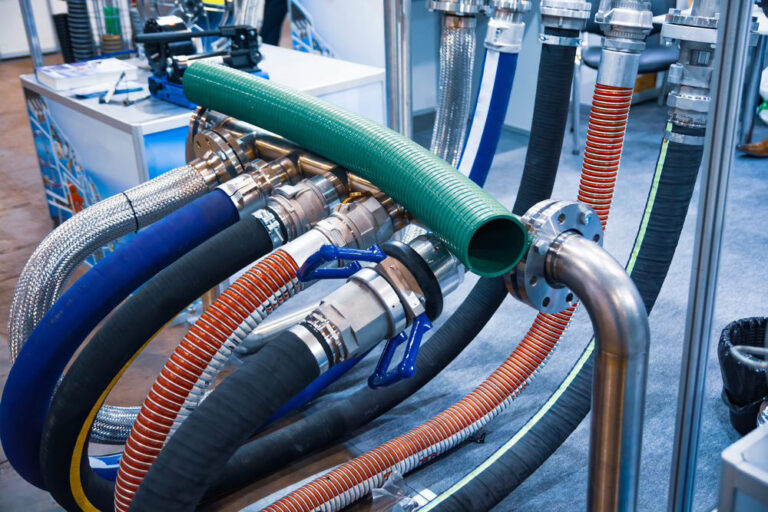
Industrial hoses cover a much broader range of applications. Rather than carrying high-pressure oil, these hoses move air, water, steam, gas, chemicals, food products or abrasive materials in commercial or industrial environments.
Common uses include:
- Compressed air delivery for tools or systems
- Water transfer or washdown applications
Chemical handling and suction - Steam cleaning or ventilation ducting
- Dust, powder or slurry transfer in mining or processing
These hoses typically operate under much lower pressure than hydraulic lines, but they require chemical compatibility, flexibility and abrasion resistance suited to the job. The type of material — rubber, PVC, composite or thermoplastic — matters just as much as the fittings and internal diameter.
Key Differences Between Hydraulic & Industrial Hoses
Understanding the differences between hydraulic and industrial hoses helps reduce risk and extend service life. Here’s how they compare:
- Pressure rating: Hydraulic hoses are built for high-pressure applications. Industrial hoses operate at lower pressures depending on their use.
- Reinforcement: Hydraulic hoses use braided or spiral wire reinforcements.Industrial hoses may use textile braid, wire helix or no reinforcement, depending on the job.
- Fluid compatibility: Hydraulic hoses must be compatible with oil-based or synthetic fluids. Industrial hoses may need to withstand acids, solvents, steam or potable water.
- Safety impact: Hydraulic hose failure can result in serious hazards due to high fluid force. Industrial hose failure typically leads to spillage, inefficiency or equipment damage, but with lower pressure risks.
- Certifications: Many hydraulic hoses must meet standards like SAE or ISO. Industrial hoses often require specific chemical resistance or food-grade compliance depending on the sector.
Each type is built for a purpose, and choosing based on pressure, fluid type and environmental conditions is essential to avoid failure.
When to Choose Hydraulic Hose Supplies
Use hydraulic hoses when:
- The system operates under pressure and requires fluid power
- Machinery relies on closed-loop hydraulic movement
- You need robust fittings and burst resistance
- Temperature and oil compatibility are critical
Examples include excavators, loaders, hydraulic jacks, scissor lifts, tipper trucks and farming equipment.
Hydraulic systems don’t tolerate incorrect hose selection. Working with an experienced supplier ensures you’re getting properly rated components that meet your equipment’s demands.
When to Choose Industrial Hose Supplies
Choose industrial hoses when:
- You’re moving non-oil-based substances like water, air, steam, powders or chemicals
- The system runs at low or medium pressure
- Flexibility, chemical resistance or diameter size is more important than pressure rating
- You need a solution for commercial cleaning, food handling or ventilation
These hoses are ideal in workshops, washdown areas, chemical plants, processing facilities or irrigation setups. Selecting the right hose material and fittings can also improve safety, reduce wear and increase hose longevity.
Matching the Right Hose to the Job
Making the right choice means looking beyond just the hose type. You’ll need to consider:
- Pressure and temperature range
- Fluid or material being transferred
- Environmental exposure (UV, abrasion, heat, chemicals)
- Internal diameter and bend radius
- End fittings and coupling type
- Certification or industry standards
A one-size-fits-all approach doesn’t apply here. The same hose won’t work for oil, air and acid — and incorrect pairings can quickly cause failure. That’s why working with a local supplier who understands your site conditions matters.
Signs You’re Using the Wrong Hose Type
Sometimes, hose failure isn’t sudden — it’s gradual and costly. Using the wrong hose type can cause excessive wear, reduce equipment performance or put workers at risk. Knowing what to look for helps you catch issues early.
Common signs of an incorrect hose include:
- Visible cracking, blistering or deformation
- Excessive stiffness or kinking
- Frequent coupling or fitting failures
- Fluid leaks or reduced flow
- Premature abrasion or external wear
- Inconsistent system performance or pressure drops
If you’re replacing the same hose more often than expected, it’s a strong sign that the product isn’t suited to your application. Switching to a properly specified hose can improve uptime, lower costs and boost workplace safety.
Why Local Knowledge Matters in Hose Supply
In Rockhampton, environmental factors like high temperatures, dust, vibration and chemical exposure all influence how hoses perform. Working with a local supplier who understands these conditions can save you time and prevent expensive mistakes.
A supplier with regional knowledge can:
- Recommend hoses rated for Central Queensland’s climate and conditions
- Suggest fittings that match local equipment and industry preferences
- Offer quicker replacements with less downtime
- Help troubleshoot problems based on experience with similar sites
Local support also means access to in-person service, advice and tailored solutions — not just off-the-shelf stock. When it comes to critical hose assemblies, that difference matters.
Hose Supplies Rockhampton Residents Trust
At Norosco, we help businesses across Rockhampton and Central Queensland find the right hose for the job — whether it’s a high-pressure hydraulic line or an industrial hose for low-pressure air, water or chemicals.
Our team knows the difference between what looks right and what is right. With expert advice, local experience and access to top-tier brands, we’ll make sure you get safe, compliant hose supplies that perform reliably in the conditions you face.
For advice, fittings or full assemblies, visit us today or call the Norosco team — your local experts in hose supplies in Rockhampton.