When you’re living in Rockhampton, hot water systems don’t just need to work — they need to work in heat, humidity, and under the pressure of high running costs. If your current system is struggling or you’re building from scratch, choosing the right setup isn’t just about size or brand; it’s also about functionality. It’s about finding something that handles local conditions, resists wear, and won’t drain your wallet on power bills. This guide will walk you through the key factors — climate, sizing, system types, water quality, and performance — so you can make a well-informed decision that suits your home and lifestyle.
Understanding Rockhampton’s Climate Impact on Hot‑Water Systems
Central Queensland’s climate brings high heat, sticky humidity and, in some areas, harder water. These factors all impact how hot-water systems perform and their lifespan. Without considering the local climate, you risk choosing a system that underperforms or wears out too fast.
- Warm ambient temperatures can increase pressure in the tank and reduce its efficiency over time.
- High humidity accelerates external corrosion and promotes condensation around fittings.
- Hard water pockets can lead to rapid scale build‑up, reducing system performance and lifespan.
- Outdoor installations are more exposed and require UV-resistant, weatherproof components to withstand the climate.
Sizing the Right System for Your Home or Renovation
Getting the capacity right is crucial. Too small, and you run out of hot water. Too large, and you waste energy heating water you never use. Your household’s size and routine will steer the choice.
- Consider the number of people living in the house and peak usage times (e.g., morning showers, evening baths).
- Take note of how many bathrooms, fixtures and appliances (e.g. dishwasher, washing machine) rely on hot water.
- For new builds or renovations, account for potential future needs, such as additional bathrooms or family growth.
- A small home for 2–3 people might suit a 125–160 L system, while larger households may need a system of 250–315 L or more.
Electric Versus Solar Versus Heat‑Pump Options in a Tropical Region
Each system type has pros and cons, but how they respond to the Rockhampton climate can be the deciding factor. Some thrive in the heat, others need backup when the weather turns.
- Electric hot‑water systems are widely available and affordable upfront, but come with higher running costs in regions with rising electricity prices.
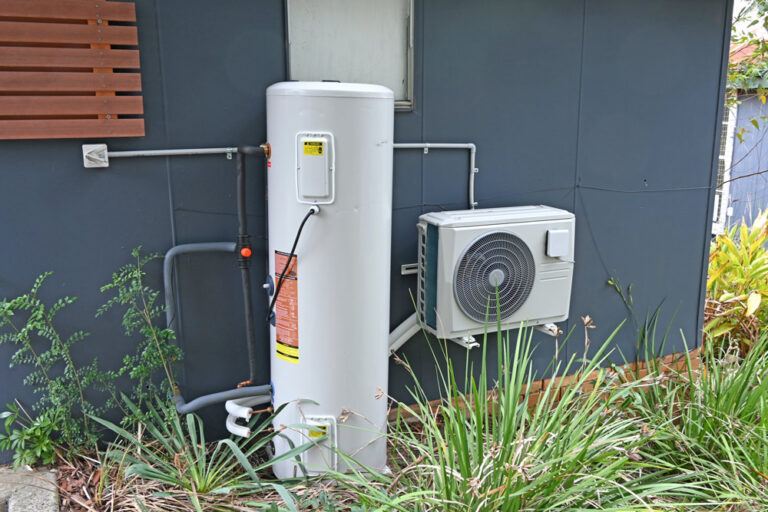
- Solar hot-water systems utilise abundant sunlight, which is ideal for Central Queensland, but require correct roof positioning and backup boosting during cloudy periods.
- Heat-pump systems extract warmth from the surrounding air and are highly efficient, but they must be installed in areas with good airflow. They may be less effective in extreme humidity or poor ventilation conditions.
Dealing with Hard Water, Mineral Build‑Up & Corrosion
In parts of Rockhampton, hard water is a real concern. Over time, it can cause damage you might not see until efficiency drops or parts fail.
- Mineral build‑up in tanks can insulate heating elements, slowing heat time and increasing energy use.
- Scale deposits reduce flow rates and wear out components, such as relief valves, thermostats, and mixers.
- External corrosion from constant humidity can damage copper fittings, seals and tank exteriors.
- Older systems may develop rust internally if sacrificial anodes aren’t maintained or replaced on time.
Energy Efficiency & Rising Electricity Prices: What to Look For
Hot‑water systems can account for 25–30% of a household’s energy bill. With power prices rising, it pays to choose a system that works efficiently without draining your budget.
- Prioritise systems with high energy‑efficiency ratings — especially those with off‑peak or smart timer options.
- Look for well‑insulated tanks to minimise standby heat loss, particularly for electric models.
- Solar and heat-pump systems offer the best long-term savings, especially when properly sized and installed.
- Insulate hot‑water pipes to reduce heat loss in long pipe runs, especially outdoors or in raised houses.
Installation, Maintenance & Supplier‑Backed Parts to Extend System Life
Even the best system will fail early if it’s not installed properly or maintained regularly — especially in a climate like this.
- Ensure professional installation that accounts for drainage, ventilation, sun exposure and insulation.
- Protect outdoor systems with shade structures or UV-resistant coatings if they are exposed to direct sunlight.
- Use valves and connections that can handle both high humidity and mineral‑heavy water.
- Follow a regular maintenance schedule: check and replace anode rods, flush sediment from tanks, test pressure valves, and inspect insulation.
Budget‑Friendly Solutions Without Compromising Performance
Cost is always a factor, but going too cheap can cost you more in the long run — especially if you live in a harsher climate. That said, smart decisions can deliver savings without sacrificing quality.
- Choose mid-tier brands with solid local support rather than unknown or overseas imports that lack service parts.
- Consider upgrading valves or pipe insulation even if you’re keeping your existing tank.
- If you’re on a tight budget, think long‑term: what’s the five‑year running cost versus the purchase price?
- Ask about warranty terms and local servicing — poor support can turn a minor issue into a full replacement.
Signs Your Current System Isn’t Cutting It (& When to Upgrade)
If your hot-water system is older, underperforming, or starting to show signs of stress, it’s time to assess whether it’s worth keeping — or if an upgrade would save you time, stress, and money.
- Water taking longer to heat or running out too quickly.
- Visible rust, leaking valves, or brown-tinged water.
- Increased noise from the system or rumbling sounds during heat cycles.
- Electricity bills creeping higher despite consistent usage.
These symptoms could mean your system is on its way out — or simply that it’s no longer suitable for your current household size or lifestyle. An audit from a local plumbing team can help you determine whether repair or replacement is the more cost-effective option.
Get Expert Plumbing Services in Rockhampton Today
We’re here to help you find the right hot‑water system for your Rockhampton home — whether you’re replacing an old one, renovating or starting fresh. At Norosco, we offer plumbing supplies in Rockhampton specifically designed to withstand the local climate. From tanks and valves to corrosion‑resistant fittings and energy‑smart solutions, our team can advise and supply everything you need to get it right the first time.
Need help choosing a system? Please contact us by phone or through our contact page to schedule a consultation.