Backflow prevention compliance in Rockhampton comes down to two things: having the right device installed for your site and staying on top of the annual testing and registration that keeps it compliant. Most sites don’t fall out of compliance because they bought the wrong device, they fall out of compliance because the annual test window slips past unnoticed. Sourcing plumbing supplies Rockhampton businesses can rely on locally, alongside a clear understanding of the testing cycle, is what actually keeps a site compliant year after year.
What Is a Backflow Prevention Device & When Is It Required?
A backflow prevention device stops contaminated water from flowing back into the drinking water supply, protecting the network from cross-connection with anything hazardous on-site, from chemicals to untreated water sources. It’s required wherever there’s a genuine risk of that reverse flow occurring, which covers a wide range of commercial and industrial sites, including those handling chemicals, food processing, irrigation, fire systems and any premises with a secondary water source on-site.
Council typically determines the level of hazard a site poses and specifies the type of device required accordingly, so the right backflow device for one industrial site may not be the right one for another next door. Getting this specification right from the start avoids installing a device that later fails inspection because it wasn’t rated for the actual hazard level of the site.
Testable vs Non-Testable Backflow Devices: What's the Difference?
Non-testable backflow devices are generally simpler mechanisms, suited to lower-hazard applications and don’t require the ongoing annual testing regime that testable devices do. They’re installed, checked at commissioning and then largely left in place, which makes them straightforward for sites with a genuinely low cross-connection risk.
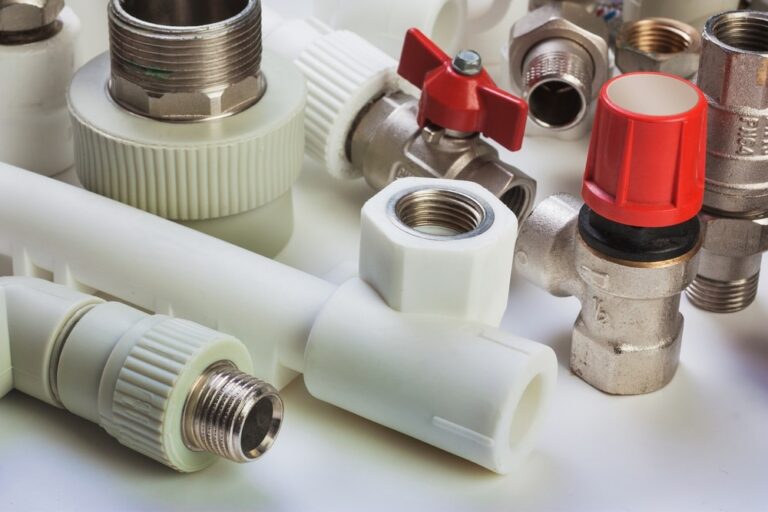
Testable backflow devices are required for higher-hazard sites and must be registered with council and tested annually by a licensed backflow tester for as long as they remain in service. This distinction matters at the purchasing stage, not just the compliance stage, since choosing a testable device commits a site to an ongoing testing obligation that a non-testable device doesn’t carry. Backflow prevention relies on the right valves being correctly rated and installed for the application, so getting the device type right from the outset avoids either under-protecting a high-hazard site or taking on unnecessary testing obligations for a low-hazard one.
How Often Must a Backflow Device Be Tested in Queensland?
Testable backflow devices in Queensland need to be tested annually by a licensed backflow tester and this is where most compliance failures actually happen. It’s rarely the device itself that causes a site to fall out of compliance; it’s the test date quietly passing without anyone noticing until council follows up or an audit flags it.
Registering the device with the local council when it’s installed is the first step and from there the annual test date becomes a recurring obligation that needs to sit on someone’s calendar, not just in the plumber’s records from the original installation. Sites managing multiple devices across a larger property are particularly exposed here, since it’s easy for one device among several to slip through without a clear tracking system in place.
Sourcing Backflow Devices & Plumbing Supplies Locally
For businesses sourcing plumbing supplies Rockhampton businesses rely on for backflow compliance, having the right device in stock locally avoids the delays that come with ordering from an interstate wholesaler. When a device fails a test or needs replacing ahead of an inspection, the turnaround time on getting a compliant replacement installed matters just as much as getting the original specification right.
As we’ve covered in our guide to the differences between commercial and industrial plumbing parts, getting the specification right the first time avoids failed inspections down the track. A local supplier who understands both the device requirements and the council registration process can also flag potential issues before they become compliance problems, rather than simply filling an order.
Getting the Right Backflow Setup for Your Site
Every site’s hazard level, water use and existing plumbing setup is different, so a backflow device that works well for one Central Queensland business might be entirely wrong for another. Getting professional advice at the specification stage, rather than after an installation has already failed inspection, is the more reliable way to get a compliant setup the first time. It’s also why sourcing plumbing supplies Rockhampton businesses trust from a supplier who understands both the device and the compliance side genuinely pays off.
If you’re not sure which device suits your site, get in touch with our team before your next inspection is due. We work with plant managers, maintenance teams and project supervisors across Rockhampton and Central Queensland to specify devices that fit the actual hazard level of the site, not just the minimum that gets past an initial check.
Staying compliant with backflow prevention requirements in Rockhampton is less about finding the perfect device and more about keeping the ongoing registration and testing cycle on track. If you need plumbing supplies Rockhampton businesses trust for backflow compliance or advice on the right device for your site, contact Norosco on (07) 4928 7777.
Frequently Asked Questions
What is a backflow prevention device and when is it required?
A backflow prevention device stops contaminated water from flowing back into the drinking water supply. It’s required on sites with a genuine cross-connection risk, which council typically assesses and specifies based on the hazard level of the premises.
How often does a backflow prevention device need to be tested in Queensland?
Testable backflow devices must be tested annually by a licensed backflow tester and registered with the local council. Missing this annual window, rather than having the wrong device installed, is the most common cause of lapsed compliance.
What's the difference between testable and non-testable backflow devices?
Non-testable devices suit lower-hazard applications and don’t require ongoing annual testing once installed. Testable devices are required for higher-hazard sites and commit the site to annual testing and council registration for as long as the device remains in service.
Can I install a non-testable device to avoid the annual testing requirement?
Only if your site’s actual hazard level genuinely supports it. Council determines the required device type based on cross-connection risk, so choosing a non-testable device for a site that requires a testable one won’t pass inspection, regardless of which is easier to maintain.
What happens if a backflow device isn't tested on time?
A lapsed test typically puts the site out of compliance until a licensed tester completes a new test, which can trigger follow-up from council depending on how the lapse is identified. Keeping the annual test date on a clear schedule is the simplest way to avoid this entirely.