Safety and compliance are central responsibilities across construction, mining and industrial worksites. Every piece of equipment used on site plays a role in managing risk, maintaining operational efficiency and supporting workplace safety obligations. While hoses and fittings are often viewed as routine consumables, they are critical components within many day-to-day site operations involving water transfer, compressed air, chemicals, fuel and dust suppression.
Damaged, poorly maintained or unsuitable hose systems can create serious hazards for workers and equipment alike. Pressure failures, leaks and incorrect fittings may contribute to injuries, environmental contamination or operational downtime if issues are not identified early. That is why businesses sourcing hose supplies in Rockhampton are increasingly focused on product quality, compliance standards and ongoing inspection processes as part of broader site safety management. Reliable hose equipment also helps reduce disruption across high-demand industrial environments where downtime can quickly affect productivity and operational schedules.
Hose Failures Can Create Serious Safety Risks
Industrial hoses operate under demanding conditions across many worksites, often handling high pressure, abrasive materials or hazardous substances. When hoses fail unexpectedly, the consequences can be significant.
Common risks associated with hose failures include:
- High-pressure fluid release causing injury.
- Slips and hazards from leaking liquids.
- Damage to nearby equipment and infrastructure.
Even relatively minor hose deterioration can become dangerous if left unaddressed. Identifying wear early and replacing damaged components helps reduce the likelihood of incidents occurring on site. Regular equipment monitoring also supports safer day-to-day operations across high-risk work environments.
Dust Suppression Supports Safer Work Environments
Dust control is an important safety requirement across many industrial and construction sites. Airborne dust can affect visibility, respiratory health and compliance with workplace exposure limits if not managed properly.
Hose systems commonly support dust suppression through:
- Water delivery to high-dust work zones.
- Surface wetting during excavation or demolition.
- Cleaning access roads and operational areas.
Reliable hose performance helps maintain consistent dust suppression throughout the workday, particularly in dry and high-traffic environments where airborne particles can accumulate quickly. Effective dust management also helps create cleaner and safer conditions for workers operating nearby equipment.
Correct Hose Selection Matters for Compliance
Different site applications require different hose types depending on pressure ratings, chemical compatibility and environmental conditions. Using unsuitable hoses can increase safety risks and create compliance concerns.
Important hose selection factors include:
- Pressure and temperature requirements.
- Compatibility with transferred substances.
- Suitability for site operating conditions.
Using hoses designed for the intended application helps support compliance with Australian safety requirements and manufacturer recommendations while improving operational reliability. Correct hose selection also helps extend equipment lifespan under demanding industrial conditions.
Fire Prevention Systems Depend on Reliable Hoses
Many industrial and commercial sites rely on hose systems as part of broader fire prevention and emergency response procedures. Fire hose equipment must remain functional and accessible at all times to support emergency preparedness requirements.
Reliable hose equipment supports fire prevention by helping with:
- Emergency firefighting systems.
- Washdown and cooling procedures.
- Hazard management during hot works.
Routine inspection and maintenance help keep hoses ready for use if emergency situations arise unexpectedly. Reliable fire hose systems can also assist with meeting workplace emergency management obligations across industrial sites.
Damaged Fittings Can Compromise Site Safety
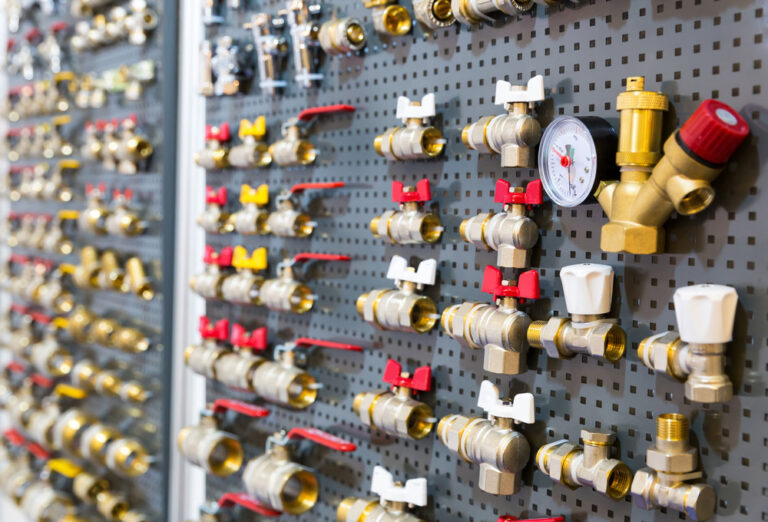
Hose fittings and connectors experience regular wear through vibration, movement and repeated use. Faulty fittings may contribute to leaks, pressure loss or sudden hose separation during operation.
Common fitting-related issues can stem from:
- Loose or deteriorating coupling connections.
- Corrosion affecting metal components.
- Cracks or wear around joining points.
Even when hoses themselves appear functional, damaged fittings can still create operational and safety risks if not maintained properly. Replacing worn fittings promptly helps reduce avoidable hazards during high-pressure operations.
Chemical Transfer Requires Proper Hose Systems
Many industrial sites use hoses for transferring chemicals, fuels and hazardous substances. Incorrect hose selection or poor maintenance may increase the risk of spills or contamination.
Chemical transfer safety considerations often focus on:
- Chemical resistance of hose materials.
- Secure fittings to prevent leakage.
- Safe handling and storage procedures.
Businesses using hazardous substances must ensure hose systems remain suitable for the products being transferred while complying with relevant safety guidelines. Properly maintained systems also help reduce environmental risks linked to chemical handling activities.
Regular Inspections Help Prevent Failures
Preventative maintenance plays an important role in reducing hose-related incidents on site. Regular inspections help identify wear, deterioration and pressure concerns before equipment failure occurs.
Routine hose inspections may cover:
- Checking for visible cracking or abrasion.
- Testing fittings and pressure integrity.
- Reviewing compliance with inspection schedules.
Consistent maintenance procedures help support workplace safety obligations while reducing the likelihood of unplanned downtime. Scheduled inspections also provide opportunities to identify ageing equipment before performance declines further.
Australian Standards & Safety Obligations Matter
Many industries operate under strict workplace safety regulations that require businesses to manage equipment risks appropriately. Hose systems used in industrial settings may fall under broader obligations relating to plant safety and operational maintenance.
Compliance considerations may relate to:
- Safe Work Australia guidelines.
- Relevant AS/NZS standards for equipment use.
- Site-specific maintenance procedures.
Maintaining compliant equipment helps businesses meet their duty of care obligations while supporting safer operating conditions for workers and contractors. Clear maintenance records may also assist during workplace audits and compliance reviews.
Reliable Hose Supplies Support Operational Efficiency
Site safety and operational performance are closely connected. Equipment failures often create both safety concerns and productivity disruptions that affect day-to-day operations.
Reliable hose systems help by:
- Reducing unexpected downtime.
- Supporting consistent equipment performance.
- Improving workflow across site operations.
For many businesses, investing in quality hose supplies in Rockhampton forms part of broader risk management and operational planning strategies. Reliable equipment also helps reduce interruptions during critical project stages or high-demand production periods.
Why Quality Hose Supplies Matter on Industrial Sites
Hose systems play a far greater role on industrial and construction sites than many people initially realise. From dust suppression and chemical transfer through to washdowns and fire prevention, properly selected and maintained hoses help support both safety and compliance across a wide range of applications.
Norosco offers hose supplies in Rockhampton for businesses operating across industrial, mining and construction environments where reliability and safety remain critical priorities. Maintaining suitable hose systems, fittings and inspection processes helps businesses reduce operational risks while supporting compliance with workplace safety obligations. If your site requires industrial hose solutions or replacement equipment, get in touch with the team at Norosco to discuss suitable products for your operational requirements.